Tricolor and Phantom Labradoodle Puppies in Anderson, IN | Rare Color Patterns
In Anderson, tricolor and phantom Australian Labradoodles showcase striking coat patterns with tan or white markings. This page covers phantom vs tricolor definitions, color genetics, pattern placement, and how colors develop from puppyhood. Multi-generational breeding is required for pattern expression according to WALA standards, available in mini and medium sizes. Health-tested parents with documented color genetics through Orivet ensure authentic phantom and tricolor patterns in every litter from Walls Family Doodles.
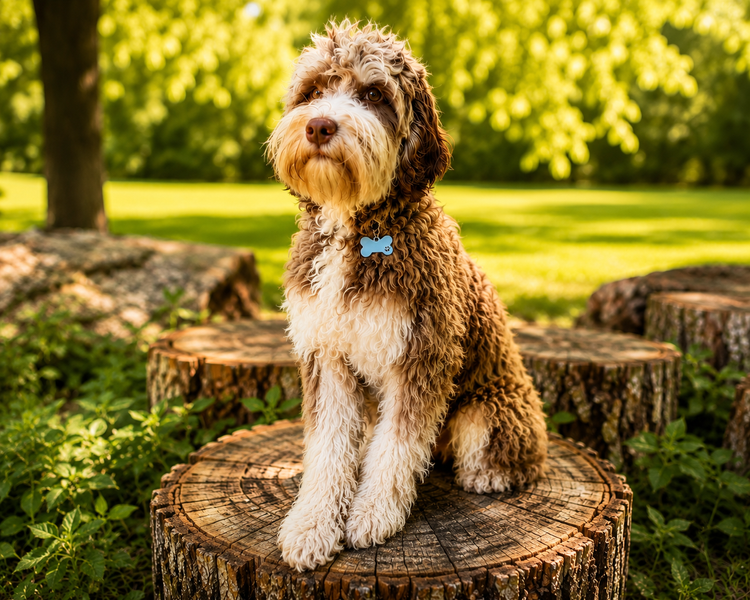
Phantom Labradoodles Display Two-Tone Patterns With Specific Eyebrow and Leg Markings
Families in Edgewood want unique, head-turning coat patterns that stand out. Buyers feel confused about phantom vs sable vs abstract terminology when researching colors. Previous doodle owners seek something visually distinctive for their next dog. Phantom pattern follows breed standard placement with tan or cream points appearing predictably above eyes, on cheeks, chest, all four legs, and beneath tail.¹ Markings must appear in specific locations to qualify as true phantom, not random tan spots. Pattern remains stable through adulthood unlike fading seen in other color variations. Anderson's community events and parks showcase distinctive phantom markings beautifully. Multi-gen breeding ensures pattern quality meets WALA standards. Parents are available for viewing so families see adult phantom expression before committing to available puppies.
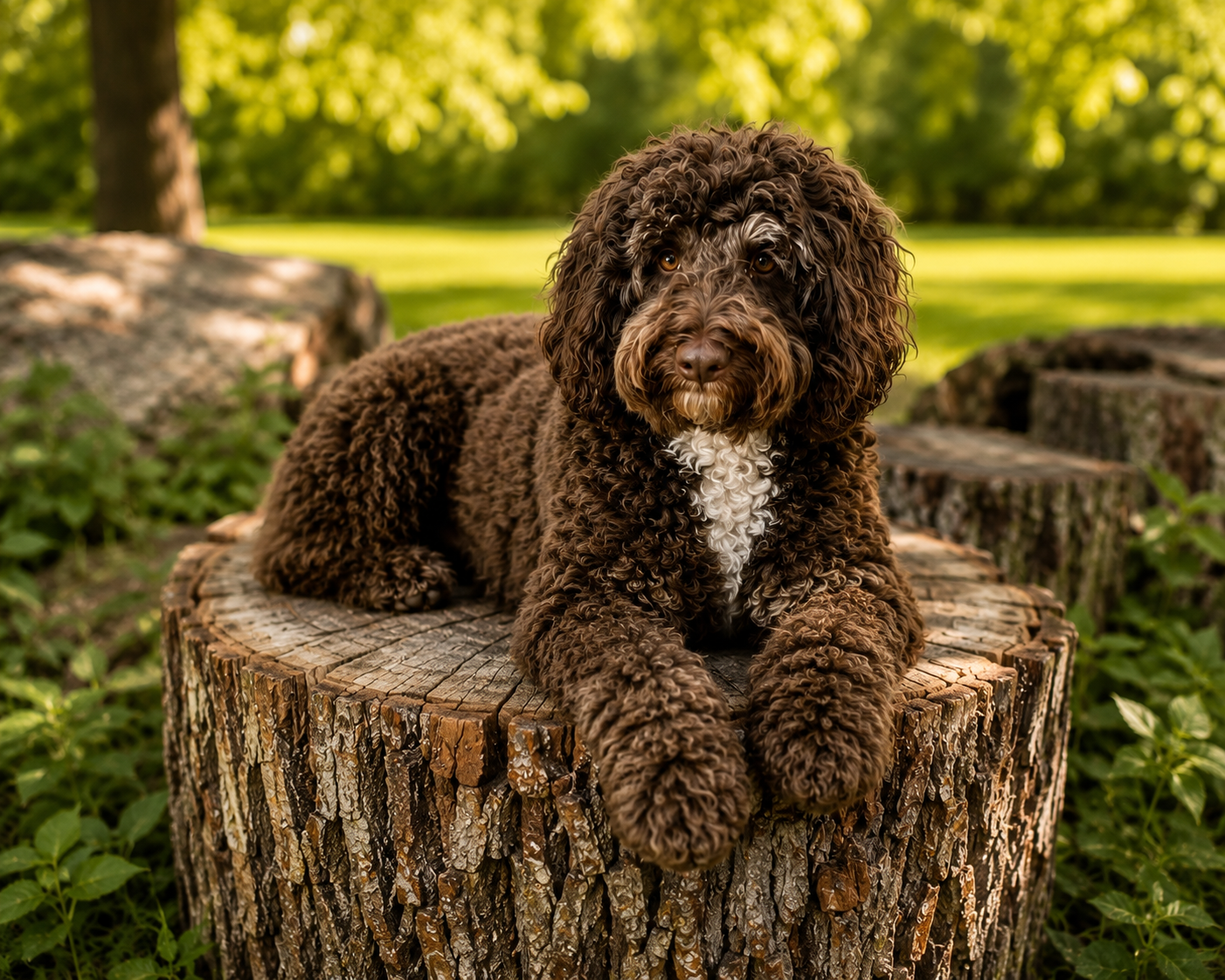
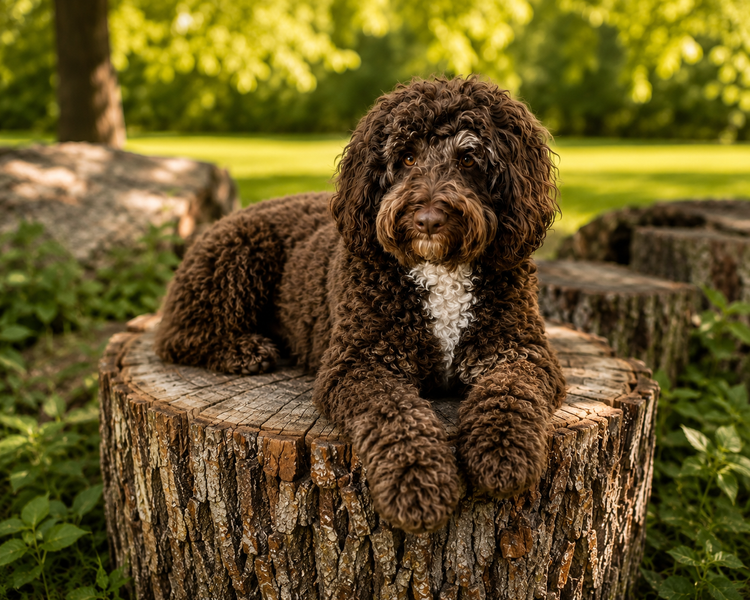
Tricolor Patterns Add White Chest Blazes to Phantom Marking Placement
Buyers in River Forest want maximum visual impact in coat patterns. Families comparing phantom vs tricolor don't understand the difference between two-tone and three-tone. Social media enthusiasts seek photogenic, distinctive puppies for their feeds. Tricolor equals phantom base plus white markings on chest, chin, or feet. White typically appears as blaze down chest or tuxedo front pattern.¹ Three distinct colors create most striking visual contrast available in Australian Labradoodles. Indiana's snowy winters beautifully highlight chocolate tricolor patterns against white backgrounds. Tricolor genetics require both parents carrying specific recessive genes for expression.² Downtown Anderson families often choose tricolors for their standout appearance.
Chocolate and Black Base Colors Produce the Most Striking Phantom Expressions
First-time buyers in Western Village feel unsure which color combination to choose. Families want high-contrast patterns that photograph well for social media and family albums. Owners prefer rich, deep coat colors over lighter shades that show dirt. Chocolate phantom (brown with tan or caramel points) remains most popular and highly requested.¹ Black phantom (black with tan points) offers dramatic Doberman-like appearance. Red phantom exists but shows less contrast than chocolate or black bases. Anderson families often prefer chocolate colors matching popular home aesthetics. Darker base coats hide Indiana dirt and mud better during rainy seasons. Multi-gen programs specialize in chocolate genetics for consistent color depth through our breeding program.
Multi-Generational Breeding Ensures Consistent Pattern Expression Across Litters
Educated buyers in Glyn Ellen compare breeders claiming phantom puppies without proof. Families burned by F1 breeders promising patterns that faded or never developed seek guarantees. Researchers want documented genetics proving pattern authenticity before investing. F1 and F2 crosses rarely produce true phantom patterns because genetics are too unpredictable.² Multi-gen Australian Labradoodles carry phantom genes through multiple generations reliably. Parent coat patterns reliably predict puppy outcomes when properly bred over time.³ WALA registration verifies authentic phantom breeding programs in Anderson. Small-breeder accountability means families can trace pedigrees directly with documentation. Multi-gen investment demonstrates commitment to pattern quality over quick profit.
Phantom Markings Become More Defined as Puppies Mature to Adulthood
First-time phantom buyers in Country Club Heights feel unsure what to expect developmentally. Families worry newborn puppies look too dark to show phantom points clearly. Owners want timeline for when markings fully develop and become visible. Newborns appear mostly solid, but tan points lighten dramatically by 1-2 weeks after birth.¹ Eyebrow markings (most distinctive feature) become prominent after first grooming session. Full pattern expression becomes visible by 6-12 months as adult coat replaces puppy fluff. Anderson pickup at 8 weeks shows emerging pattern but not final adult expression. Families are encouraged to visit multiple times to watch pattern development progress. Photos are provided weekly showing phantom point progression from birth to pickup.
Rare Color Genetics Require Careful Parent Selection Over Multiple Generations
Families wonder why phantom puppies command higher interest and longer waitlists. Buyers compare breeders on waitlist availability for specific colors and patterns. Educated consumers want to understand breeding complexity behind rare patterns. Both parents must carry recessive phantom genes for pattern to express in puppies.² Breeding phantom to phantom increases odds but doesn't guarantee entire litter will be phantom. Years of selective breeding are required to establish consistent phantom lines reliably. Limited phantom litters mean Anderson families often join waitlists early for upcoming litters. Ethical breeders prioritize health and temperament over color—phantom is a bonus, not primary focus. Multi-gen programs can predict pattern likelihood based on parent Orivet genetic testing.
FAQs
Q1: What is the rarest color in Australian Labradoodles from Anderson breeders?
True lavender and parchment are rarest overall, and among patterned dogs, well-expressed chocolate tricolor with perfect symmetry is most sought-after.
Q2: What is the difference between phantom and tricolor Labradoodles?
Phantom has two colors (base plus tan points), while tricolor has three (base plus tan points plus white markings on chest or feet).
Q3: Are phantom Labradoodles more expensive in Anderson?
All puppies are currently priced at $3,200 regardless of color, though this may change due to the breeding complexity and rarity of phantom and tricolor patterns.
Q4: Do phantom markings fade as Labradoodles age?
True phantom patterns remain stable through adulthood—some lightening occurs but placement and contrast persist, which differs from sable that fades significantly.
Q5: Can I choose a specific phantom or tricolor puppy in Anderson?
Deposit holders select puppies in order based on temperament match, with color preferences noted—multiple litter options are often available for families.
Q6: What's the difference between phantom and sable Labradoodles?
Phantom has tan points in specific locations (eyebrows, legs, chest), while sable has black-tipped hairs throughout coat that fade with age—completely different genetics.
References
"Labradoodle Colours and Patterns Explained." Van Isle Labradoodles, vanisledoodles.com/uncategorized/labradoodle-colors/.
"What Is A Phantom Labradoodle?" Raising Your Pet, raisingyourpet.com/what-is-a-phantom-labradoodle/.
Bannasch, Danika, et al. "Dog Coat Patterns Have Ancient Origins." UC Davis School of Veterinary Medicine, 13 Aug. 2021, www.vetmed.ucdavis.edu/news/dog-coat-patterns-have-ancient-origins.